
Thanks For Joining Us at GAMA Expo 2026 to Level Up Your Game!

Are you ready to LEVEL UP YOUR GAME? BEST Human Capital & Advisory Group was at at the GAMA Expo March 1-6, 2026, in Louisville, KY. During the tradeshow (open to GAMA Tabletop Games Association members only), Chris Cimaglio, Managing Partner, and Michael Maggiotto Jr., Director of Human Resource Solutions, presented 5 educational sessions designed to help Tabletop Games business leaders across all membership categories improve their businesses. Do you have the right people in the right places in your business? Are you concerned with building and keeping your bench for today and tomorrow? Has the current business environment left you struggling to build value and leverage it to grow your business? Do you know just how costly people risks are to your business? Are you concerned about exiting your business to either launch another venture or transition into retirement? Today’s business environment has been especially challenging for the Tabletop Games industry sector. Identifying ways to build value in your business, preparing for succession or exit, retaining your hard-earned revenue, and attracting and retaining top talent are just a few of the topics covered during BEST’s presentations: Value Acceleration: Maximizing Your Business Value Sunday, March 1, 2026 Speaker: Chris Cimaglio, CEPA®, Cert. Value Builder™, AVG, Managing Partner & Co-Founder With most businesses unprepared for succession, only 20% will successfully transfer ownership. We learned how to build value, reduce dependency on owners, and apply key strategies buyers prioritize. Whether you’re planning to exit soon or in the future, this session helps you prepare for a strong, scalable future. Costly People Risks that Most Business Leaders Miss Monday, March 2, 2026 Speaker: Michael Maggiotto Jr, SHRM-SCP, Director of Human Resource Solutions Running a tabletop business comes with hidden people risks – from hiring missteps to compliance issues – that can lead to costly consequences. This session highlighted common industry errors, shared real-world examples, and offered practical guidance to help protect your business and avoid legal or financial pitfalls. Overcoming Compliance Risks to Source and Hire Top Talent Monday, March 2, 2026 Speaker: Michael Maggiotto Jr, SHRM-SCP, Director of Human Resource Solutions Finding the right talent at the right time is tough in a tight labor Market. This session explored how building a diverse workforce can unlock new potential. Learn fresh strategies, discover useful hiring resources, and rethink your approach to recruiting to attract high-quality candidates and build a stronger team. Attract, Retain, and Motivate Top Talent through Compensation Design March 2, 2026 Speaker: Michael Maggiotto Jr, SHRM-SCP, Director of Human Resource Solutions Compensation is evolving fast, and understanding how to design effective pay structures is key to attracting and retaining top talent. This session offered a high-level look at compensation strategy, creative options beyond salary, and practical tips for staying competitive – without overspending. Learn how to hire smart on a lean budget. Succession & Exit Planning: What is Your End Game? March 2, 2026 Speaker: Chris Cimaglio, CEPA®, Cert. Value Builder™, AVG, Managing Partner & Co-Founder Most business owners lack a clear exit plan – yet succession planning is critical. This session explored how to prepare personally, financially, and operationally for a successful transition. Learn valuation basics, continuity strategies, and how to protect your legacy while maximizing value, whether selling or passing the business on. As a Production Category member of GAMA, with a presence on several committees, BEST Human Capital & Advisory Group specializes in the Tabletop Gaming industry through Strategic Human Resources Consulting, Business Advisory, and Executive Search services. We are BEST positioned to help your business attract and retain talent, execute your strategic plans, and drive future growth. While many business leaders are growing their businesses, more are ready to retire but may not have a succession or exit plan in place to care for their people and ensure a smooth transition. Led by Chris Cimaglio, CEPA® and Managing Partner, BEST PivotPoint’s Succession & Exit Planning service may be the right solution for you. According to Chris, “an Exit Planning Institute report found that over 75% of business owners who have sold their business profoundly regret it within a year after the sale. So, leadership succession and exit planning need to consider both the transactional and emotional aspects of leaving your business.” Whether your business is growing, stable, or even distressed, if you have people challenges like all businesses do, you require people strategies to overcome these challenges, or are ready to learn more about Exit Planning, connect with BEST in 2026! If you represent a company that needs executive hiring, restructuring, or succession planning, please schedule a meeting with us. Contact us today, or Download our Best Overview to learn more about the BEST Human Capital & Advisory Group and why there is a better way!
The Top HR Trends Reshaping Floriculture in 2026

As originally published on greenhousegrower.com. Click here for the original article. Just as the horticulture industry continues to evolve with new plant varieties, equipment, technology, substrates, and inputs, so does its most important asset: its people. In 2026, HR is being reshaped by shifting employee expectations, new workplace realities, and rapid advances in AI and digital tools. For growers and horticulture businesses, staying competitive now depends as much on how you hire, develop, and support your teams as it does on what you grow. Renewed Focus on Employee Engagement Employee engagement may feel like a familiar topic, but it isn’t going away. Disengaged employees slow everything down — from productivity and innovation to workplace culture. Today, engagement is less about perks or pizza Fridays and more about meeting core needs: recognition, clarity, direction, and strong coaching from managers. Engagement and performance are deeply connected. When systems are clear, fair, and transparent, employees perform better. As a result, HR teams are doubling down on building trust, communicating expectations, and creating real opportunities for growth. Give Managers the Time and Space to Lead A key trend gaining traction is freeing managers from doing too much. When managers are expected to chase their own accounts, coach their teams, and handle administrative work, something has to give — and usually it’s people leadership. That’s why many successful companies are carving out as much as 40% more time for managers to focus on developing their teams. In short, you must decide: do you want managers who grow people, or managers who carry a full load of individual responsibilities? You can’t realistically expect both. Hiring Based on Skills and Behaviors Traditional resumes and interviews are becoming less reliable as hiring filters. More organizations are shifting to a skills- and behavior-based approach — focusing on what candidates can actually do and how they demonstrate success, rather than just where they’ve worked or which products or customers they know. With the right assessments, companies are identifying talent that may not have the perfect resume but have exactly the abilities and behaviors needed to thrive. Return-to-Office vs. Remote Work The return-to-office conversation is far from over. With high interest rates keeping many employees in place, companies face a real challenge: the talent you want may not live anywhere near your operation. That leaves three real options: support remote work, offer relocation, or accept a smaller (and less qualified) candidate pool. Remote work brings its own challenges: Leaders need stronger skills to manage performance from a distance. Companies must invest in the right communication and collaboration tools. Remote-work policies must be clear, consistent, and enforceable. Policies only matter if you’re willing to enforce them. A recent KPMG report found that 83% of older CEOs expect a full return to the office within three years, up significantly from the year before. Younger CEOs, however, are more open to hybrid work — suggesting the future of work may be more flexible than some expect. Relocation Is Back in the Conversation If companies want to widen their talent pipeline, relocation needs to be on the table again. A strong relocation package can significantly improve both retention and talent attraction. That means budgeting for it, working with a relocation partner, and preparing package levels that address real-world challenges like housing availability, interest rates, and timing. Flexible, Personalized Benefits Benefits are becoming increasingly customizable. Employees want options that fit their lives, not a one-size-fits-all package. As a result, personalized benefits are quickly becoming a competitive advantage for both retention and recruitment. The key to getting it right is simple: listen closely to what your employees value. A Bigger Commitment to Mental Health Mental health is no longer “nice to have”. Companies are expanding benefits, offering more flexible schedules, training managers to spot burnout, and encouraging employees to use their PTO. Healthy, supported employees simply perform better — and stay longer. Supporting the Whole Employee Well-being is expanding beyond mental health alone. Today’s employees also need financial support, opportunities for social connection — especially in hybrid environments — and access to physical wellness programs. Companies that take a comprehensive approach to well-being tend to see stronger engagement and better long-term performance. Career Development Must Be Personalized Employees want clear career paths and meaningful development opportunities. This is especially true in industries like horticulture, where experienced growers and skilled labor can be difficult to find. As a result, more companies are building in-house programs to train, mentor, and develop future talent. At the same time, AI is reshaping skill requirements across the industry. High-performing companies are planning for widespread upskilling, so employees are prepared to work alongside advanced tools and AI. Today’s talent strategies must assume a blended human-AI workforce. HR and IT: Becoming Close Partners HR and IT are becoming more closely intertwined than ever before. In fact, 64% of IT leaders expect the two functions to merge within five years. As AI tools grow more complex, HR increasingly relies on IT to implement and manage these systems. At the same time, IT depends on HR to understand the human impact of these technologies. The two can no longer operate in silos. AI as a Day-to-Day HR Partner AI is no longer futuristic, it’s becoming a practical helper in HR. It can handle administrative work, speed up recruitment, analyze engagement trends, and even support employees directly. But with this convenience comes responsibility. HR leaders must set clear rules, ensure compliance, and make sure AI tools are used ethically. Most importantly, AI should never replace real, in-person interaction. You still have to keep the “human” in Human Resources. The Move Toward Pay Transparency More states and cities are requiring compensation details in job postings, and pay transparency is becoming a cultural expectation, not just a compliance issue. In response, companies are publishing pay bands, clarifying bonus and equity structures, and conducting regular pay-equity audits. While this shift requires thoughtful planning, it also builds trust with employees and reduces legal risk. Getting Comfortable With Constant Change Change is no longer a one-time event; it’s the baseline. HR teams are adopting the mindset
Ask HR: Would a previous customer be a good employee?

As originally published on gardencentermag.com. BEST is excited to partner with our friends at Garden Center magazine on their “Ask HR” column. Click here for the original article. QUESTION: I recently had a customer suggest they’d love to work at my Garden Center. I don’t know if they were serious, but it got me thinking. Would a previous customer be a good employee? And is there anything I’d need to do differently with them than someone I hired off a job board? THE ADVICE: This is such a fun question, and I’m so excited to explore it! I’ve personally been in this position both as a fan-girl customer turned employee (four times, actually) and as the hiring manager who hired a customer as an employee. And through each of these scenarios, I can certainly offer both positive and negative outcomes, because just like anything else, sometimes it works, sometimes it doesn’t. I worked retail and hospitality throughout college and up until my current position. I was a previous customer at each place I worked, as well, and loved the idea of working there because I was so fond of my experiences. Now, this may go without saying, but it is a much different experience to shop somewhere than it is to work somewhere; the reality isn’t always as glamorous as it may seem, and sometimes the customers hold that impression simply because they love your product or they’ve had a fabulous customer experience (go you!) and want to be a part of that. However, they’re only getting a very surface-level idea of the organization – they likely aren’t aware of the company culture, the KPIs, the POS, the logistics, the physical labor, the long hours, etc. I remember when I was managing a luxury spa, our guests would say “I bet it’s sooo relaxing to work here!” and my colleagues and I would have mental flashes of having to silently tip-toe run through the halls while the services were underway carrying 50 pounds of robes and shoes, flipping the entire spa in 10 minutes, balancing various calls and the reservation books, stocking and reorganizing retail shelves, navigating upset customers…you get the picture. But we just smiled and said “Yeah, it’s sooo nice!” Full disclosure, I absolutely loved that job and was fortunate to work with an insanely fun and talented group of people, but even still, I would never call what we did “relaxing.” The discounted spa services and free cinnamon tea were certainly a perk, though. All in all, this worked out in my case because I was actually extremely passionate about what we offered and loved being a part of that experience for others. Still, there have also been jobs where the other side of the customer experience as an employee was not at all enjoyable (I’ve come to find that I do not enjoy tagging and folding clothes at 6:00 am and aimlessly wandering around with no tasks… I’ll leave it at that.) On the negative side of my experiences, there is one situation that stands out to me where I hired a former regular customer, and it did not turn out well at all, unfortunately. She was always so kind and bubbly when she was in, and was very smart, enthusiastic, and easy to converse with, which seemed to be a fantastic fit for the role we were hiring for. To keep it brief, in time, we came to have issues with sales ethics, behavior, trainability, and overall culture fit with this individual, and it left a very negative impact on the entire team. Of course, you can’t always predict these things in hiring – it was a very disappointing shock to all of us. And as you very well know, in retail, the hiring process for sales associates or cashiers isn’t typically extremely intensive, especially when you’re usually short-staffed and looking to fill as quickly and efficiently as possible. However, I’ve seen the other side, as well, where hiring a former customer was more in line with my positive experience, so really, anything is possible. Ultimately, these are just examples from my personal experience on both sides of the situation, positive and negative. I do think that more often than not, a previous customer expressing interest in your organization would be worth taking a chance on because they are arriving as an advocate for your product or service, displaying immediate knowledge to some degree, and bringing passion and enthusiasm. That excitement and interest in an employee can go a long way, especially in the green industry. The only thing I’d advise doing a little differently with this type of candidate, as opposed to one off a job board, is to emphasize that the working experience is different than the customer experience and try to give as clear an overview of job expectations as possible. All in all, so long as the interview process goes well and there are no major red flags or lack of alignment, I certainly advocate for taking a chance on the previous customer to join your team. As originally published on gardencentermag.com. BEST is excited to partner with our friends at Garden Center magazine on their “Ask HR” column. Click here for the original article.
Rooted in Wellness: How to Cultivate a Thriving Horticulture Team

Has the pace or demands of work ever pushed you to mental exhaustion or caused physical illness? Do you see your team’s productivity and engagement declining and turnover rising due to the challenges your business faces? Are you starting to wonder if it’s worth the stress? You’re not alone in our horticulture industry. In 2025, employee health and wellness will no longer be just a perk but a strategic necessity. With a surge of challenging business, personal, socio-economic, and global events, it’s no surprise that employees are struggling with their physical and mental health, leading to a potential burnout crisis. Why Wellness Remains Important in 2025 The horticulture industry has experienced notable changes since 2020 introduced us all to the pandemic. This drove the increase in remote work, extreme decline of in-person communication, and over-reliance on social media. These causes led to symptoms of isolation, depression, anxiety, and an entire generation in their formative years, not allowed to learn how to relate interpersonally. Thus, the rise of health and wellness has become a dominant issue. Multiple studies have shown that anxiety and depression rates have risen steeply since the pandemic. Unfortunately, many companies still treat health and wellness as an afterthought. Failing to prioritize your team’s individual health and employee wellness is destructive and costly. The World Health Organization identified that mental health is costing businesses around the world $1 trillion a year due to lost productivity. The American Psychiatric Association found that employees with unresolved depression experience a 35% reduction in productivity. Why Invest in Health & Wellness Programs Investing in and creating programs that support your employees’ focus on topics like employee motivation, stress management, and leadership directly impact wellness. The right strategies will make a world of difference. A recent SHRM report found that every dollar invested in health and wellness resulted in nearly six dollars returned in cost savings (think lower health care costs due to fewer claims, disability, and workers comp) and productivity. A study by Harvard Business Review found that companies with high employee engagement are 22% more profitable. A recent Gallup poll found that only 21% of employees feel their employer cares about their overall well-being. A clinical study done for Forbes “Live Outcomes Report” showed that employers save $580 per employee engaged with mental well-being tools. Absenteeism due to mental health issues is up 300% from 2017 per analysis from ComPsych, a mental health service provider. Improve hiring and retention! Millennials and Gen-Z want to work for companies committed to employees’ total health and wellness. They will tell their friends, improving your company’s brand as a top place to work in the community and industry. Burnout is real. The lower the stress level, the lower the chance of burnout occurring. How to Create a Culture of Health and Wellness Employee wellness has too many times been an afterthought in company’s benefit programs. Have a pizza party, employee of the month, casual Friday, or provide mental health pamphlets. While pizza can be a wonderful coping go-to it does not solve the root of the problems and creates additional physical challenges if utilized too much! To provide our teams a health and wellness program that works in 2025, we must focus on the longer-term behavior these programs can positively influence. When developing Health and Wellness programs, there are 3 initial steps that are critical to the foundation. First is recognizing that it is OK to talk about and address mental and physical health challenges as a society, a company, and as individuals. Reduce the stigma surrounding seeking help. The second is to meet your team where they are at when identifying specific programs. Don’t guess what is needed – communicate with them to listen to their stressors related to their mental and physical health. The magic is matching your programs to your people and your culture. The third is owners and key management leading by example. This includes budgeting for Health & Wellness programs. A WellHub study found that executives who lead by example increase wellness participation from 44% to 80%. A Sample of Effective Programs in 2025 Personalized Wellness Programs. The communication with your team to identify programs that address individual mental and physical needs. Work-life balance is not about time off, but flexible work schedules that identify when employees do their best work or have personal responsibilities such as picking up children or caring for elderly parents. Training leaders to spot signs of stress so appropriate support can be provided. Stress-reducing activities, including Mindfulness and Meditation programs Gym memberships or an in-house exercise area This one should be easy for our industry – the positive effects of plants at work! Health awareness initiatives Providing proper rest & recovery – think about your grower and production teams! Encourage and provide no-hassle Mental health days Virtual Therapy services Company or individualized wellness goal challenges Mentorship and or buddy programs Celebration of employee professional and personal milestones Ergonomic chairs, desks, and working conditions Incorporating calming or uplifting music Technology solutions offered by fitness trackers and apps are designed to de-stress. NOTE: These provide data to help in meeting your employees where they are. Relaxing break areas Availability of healthy foods Financial counseling and coaching provide significant peace of mind Group wellness education or sessions, such as yoga. Employees today are drawn to companies that promote a positive community at work and outside of work. Providing your team not just a physically safe environment but one that promotes an overall mental and physical health atmosphere will lead to comforting magic words both employers and employees want to hear and say – I love my job! Todd Downing is a Managing Partner for Best Human Capital Advisory Group and leads the Horticulture & Green Industry executive search and advisory services. He has more than 30 years of experience in the industry and a passion for supporting its continued professional growth.
Ask HR: How to Motivate Teenage Summer Employees?
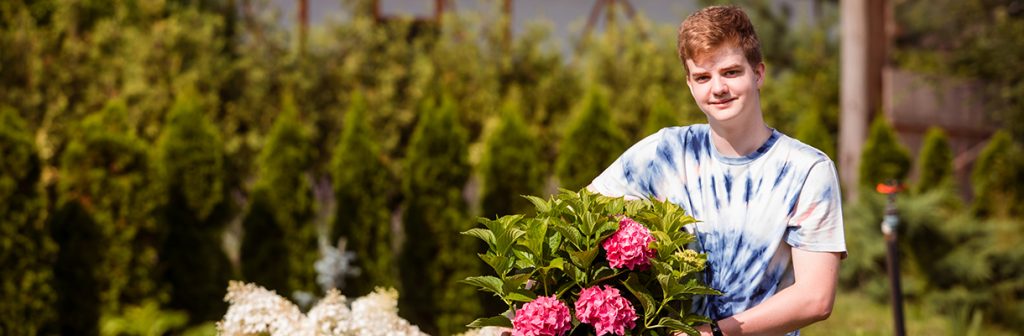
As originally published on gardencentermag.com. BEST is excited to partner with our friends at Garden Center magazine on their “Ask HR” column. Click here for the original article. THE QUESTION: I hire teenagers for summer work in my garden center. Some are great, and some are distracted by being a teenager. I want to communicate better with them and maybe even build future employees. Do you have any tips? THE ADVICE: First Thought— You are helping these teenagers develop good habits and social skills, just as much as they are helping you in their business. If you take the time to get to know them and help them improve as humans, their appreciation will show in the form of hard work. Spending time with your employees, regardless of age, and learning about them as people and the things they do and don’t enjoy about the job will result in them feeling valued and part of a community, which is the number one driver of employee retention. However, there are bound to be bumps in the road. Attention Spans According to the National Institute of Health, the average attention span for adults working on a task can last for a few hours, while the average attention span for teenagers working on a task is 35 minutes. Work with your department leaders to assign your teenage employees a few different tasks to take care of during their shift and write them on a big board. If you see them losing focus on a task, ask them to take a 5-minute break outside (to catch up on chatsnap or whatever they do on their phone) and come back ready to start on a new project. Once a project is complete, have them cross it off the board and give them a 5-minute break before starting the next. Even if all of the projects aren’t fully completed, you will still have less work to do to finish them and less of a headache trying to force a teenager to do something, which is nearly impossible. Also, when communicating with your younger staff, keep in mind that even adults only have a conversational attention span of 8.25 seconds (NIH). Don’t lecture! Money Talks Remember using dimes and quarters to fill up your gas tank or get a cheeseburger when you were in high school? I sure do. Try to incentivize your teenage employees to pay more attention to their work with cold, hard cash. Set up competitions with cash prizes to create the best end-cap display, an attractive new signage design to use throughout the store, or the most impressive social media campaign. An important aspect of these example projects is that they will be in the public eye. This creates pride for the participants and provides additional motivation knowing that their work could have a real impact on the store’s success, but is also something their friends and family could see. Prizes don’t have to be more than $5-$10 if you run the competitions at least a couple of times per month. Oh, the things I would’ve bought at McDonald’s if I had five extra dollars in my pocket after a shift! A few words to the wise: be selective when deciding who to include in the competition and avoid picking the same winner repeatedly. Also, do not incentivize sales programs with teenagers – you do not want to scare away customers with money-hungry, angsty boys and girls. P.S. I have coached soccer at all ages, 6-18, for over a decade. A 17-year-old is much easier to coach than a 15-year-old. As originally published on gardencentermag.com. BEST is excited to partner with our friends at Garden Center magazine on their “Ask HR” column. Click here for the original article.