
Thanks for Joining Us at Gen Con 2026 to Level up Your Game
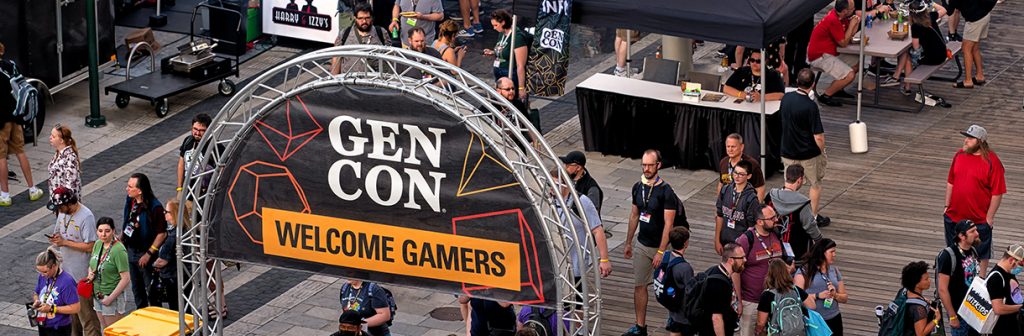
Gen Con is one of Indianapolis’ and the Tabletop Gaming and Hobby Industry’s largest events, with over 70,000 attendees annually. For Tabletop Gaming businesses, the event offers you countless opportunities to enhance your career and gain access to resources to drive future business growth— and BEST Human Capital & Advisory Group will be there in person to meet with you! As a Production Category member of GAMA, with a presence on several committees, BEST has a specialization in the Tabletop Gaming and Hobby industry through Executive Search, Strategic Human Resource Solutions, and Succession & Exit Planning services. We are BEST positioned to help your business obtain and retain talent, achieve your strategic business plans, and propel your future growth. Do you currently have the right people in the right places in your business, positioned to retain and grow today and tomorrow? The tight labor market, especially in the Tabletop Gaming and Hobby industry, means we need to change our thinking about how and from where we recruit. BEST’s Executive Search service is trusted by leading global companies to provide world-class candidate selection techniques, assessment, job benchmarking, behavior-based interviewing, and employee retention strategies. Are you concerned about or even aware of your risk exposure from labor and employment law violations? The small-to-mid-sized companies that dominate the Tabletop Gaming and Hobby industry are more prone to violating labor and employment laws due to the stress of tight budgets, small staff, and a lack of knowledge. It’s easy to bend the rules a bit, but it’s often to the detriment of employees and your business. Led by Michael Maggiotto Jr., SHRM-SCP, BEST’s Strategic Human Resource Solutions service can help you develop the right policies, employee handbook, and strategies for workforce planning, recruitment, retention, total rewards, and more. Whether you are a serial entrepreneur ready to sell your current business to launch your next venture, a first-time business owner ready to cash out, or at the later stages of your career and eying a potential retirement, Tabletop Gaming and Hobby industry business leaders need support to exit their business the right way. Led by Chris Cimaglio, CEPA and Managing Partner, BEST’s Exit Planning service may be the right solution for you. According to Chris, “An Exit Planning Institute report found that over 75% of business owners who have sold their business profoundly regret it within a year after the sale. So, leadership succession and exit planning must consider both the transactional and emotional aspects of leaving your business.” Whether your business is growing, stable, or even distressed, if you have people challenges like all businesses do, require people strategies to overcome these challenges, or are ready to learn more about Exit Planning, connect with Michael Maggiotto and the BEST Team today! Contact us today, or . at Gen Con, and may you have a fantastic convention! Download our Best Overview to learn more about the BEST Human Capital & Advisory Group and why there is a better way!
4.1 Reasons to Join Us at Cultivate’26 and Grow Your Business
In July, we’re not just celebrating America’s 250th, but also the 26th Annual Cultivate! We look forward to seeing you July 11-14th at Cultivate’26 in Columbus, Ohio: the Green Industry event offering countless opportunities to grow your business and enhance your career. We will be there with FOUR in-person educational sessions on extremely timely industry topics such as talent acquisition, human resources, building value in your business, succession and exit planning, and more that you will not want to miss. Get educated and up to speed in these sessions. SUNDAY, JULY 12th Beyond Sweat Equity: Compounding Growth in Your Business 9:45 AM ET • Room A110 Speakers: Chris Cimaglio & Ken Lane Your business is likely your family’s greatest asset and wealth builder. With 75% of owners planning to exit within the next 10 years and buyers becoming increasingly selective, only 20-30% of businesses will successfully transfer ownership. Will there be a return on all of your years of blood, sweat, and tears? Now is the time for you to work ON your business, not just IN it. This session reveals the critical drivers for compounded growth and how to prioritize them in your business. You’ll discover proven strategies to enhance value today while preparing for tomorrow’s opportunities. You’ll take away leading practices and strategies for consistent growth, as well as the 8 drivers of company value most important to potential buyers. These value-building techniques strengthen your business now and position it to successfully transition, ensuring you capture maximum value when the time comes. MONDAY, JULY 13th Costly People Risks Most Business Leaders Miss: And Could Shutter Your Business 9:00 AM ET • Union Station Ballroom C Speaker: Michael Maggiotto, Jr. SHRM-SCP Business leaders in horticulture are amazing at growing and caring for their crops, possess exceptional product knowledge, and generally do a terrific job leading operations. Unfortunately, there are many people risks to their business, regardless of size, that leaders are just unaware of or don’t know the impact they have on their business. Many of them can shutter your business if left unresolved and uncovered in a government audit. This session will reveal: Some of the very significant and costly errors that happen right in our own industry The do’s and don’ts in key areas of human capital management that can lead to some of the highest costs Some of the hefty price tags are associated with the errors. What can you do to protect your business from these costly errors? Come to the session and find out! Rooted In Health & Wellness (Panel Discussion) 4:00 PM ET • Room A113 Moderated by Todd Downing with Panelists Broch Martindale and Jake Scott Employee health and wellness at work requires more than fitness perks and free snacks. From emotional resilience to financial security, learn how the various aspects of wellness shape how employees show up at work and how their well-being connects to the bottom line. It takes companies and employees working in unison to promote an overall mental and physical health atmosphere. Wellness is a retention, professional development, and growth strategy for a company. When the right programs and coping skills are put into action, it will lead to comforting magic words we all want to hear and say – “I love my job!” TUESDAY, JULY 14th Before the Storm: Common Sense Business Continuity Planning for Horticulture Business Owners [Extended Session] 10:30 AM ET • Room A113 Speakers: Chris Cimaglio & Ken Lane Disaster planning for weather events and infrastructure failure is just common sense. What many business continuity plans lack is practical recommendations for when the owner isn’t available to lead. An owner’s death or disability can lead to business failure, with repercussions for family, employees, and customers. If something happened tomorrow, would your team know how to keep operations running? Would your family know who to call and what decisions to make? This high-impact, extended session offers a framework for “keeping the lights on during a storm.” You’ll learn why smart continuity planning is essential not just for natural disasters, but for the 5Ds: Death, Disability, Divorce, Disagreement, and Distress that can derail your life’s work. You’ll walk away with: A ready-to-use Business Continuity Instructions Worksheet Strategies for both short-term crisis response and long-term business stability Immediate steps to safeguard your business and employees and protect your family’s future. A “plus” reason to attend— Connect with The BEST Team in person at Cultivate’26! Their focus will be on making themselves available to meet with leaders who want to discuss their company’s executive hiring, succession planning, and restructuring and turnaround needs. With decades of experience in corporate management, sales, marketing, human resources, exit planning, and business advisory, BEST specializes in talent acquisition and management consulting for the horticulture industry. If you represent a company that needs executive hiring, restructuring, or succession planning, please schedule a meeting with us anytime during the show. Contact us today, and may you have a great Cultivate’26! View or Download Our Best Overview to learn more about the BEST Human Capital & Advisory Group and why there is a better way! We look forward to seeing you in Columbus at Cultivate’26!
Building the Next Generation of Growers

As originally published on greenhousegrower.com. Click here for the original article. For greenhouse companies trying to attract and retain growers, training and development (T&D) can no longer be treated as an added benefit. It has become a core part of the job offer. Candidates want to know whether they will have opportunities to build skills, advance professionally, and stay current as production practices evolve. Companies that cannot clearly answer those questions may struggle not only to keep talent, but to bring it in at all. Training as a Retention Strategy More grower operations are responding by investing in professional development programs and benefits that support both employee growth and long-term business success. For employers, the goal is not just to offer training, but to create a workplace where learning and advancement are treated as part of the job, not an occasional extra. According to the Society for Human Resource Management (SHRM), training and development play a major role in both recruitment and retention. In one report, 76% of employees said they are more likely to stay with a company that offers continuous training, while 55% said they still need additional or better training to succeed. Among HR leaders, 83% said professional development is key to attracting talent, and 86% said it is vital for retention. What’s Not Working Many companies claim to support T&D but fail to follow through. Grower candidates often seek feedback from current or former employees to gauge a company’s true commitment, and the absence of robust T&D programs can create hiring challenges. In some operations, efficiency and margins have improved using propagation “recipes” and SOPs. But when companies rely too heavily on those tools and expect growers to do little more than follow instructions, they risk limiting development. That can discourage growers from spending time learning new techniques, even as technical knowledge across the industry continues to advance. Not surprisingly, those are often the companies that struggle to attract strong candidates. Turning Intention into Action Successful T&D programs for growers depend on follow-through. Some companies have professionals working to build and implement these programs for their grower teams, only to see them undermined by general managers or operations leaders who do not provide the time, resources, and support needed for employees to take advantage of them. Retention issues also arise when a company says it is open to new ideas and self-development, but dismisses the ideas employees bring forward. Few messages are more discouraging than telling a grower not to spend time doing individual research to expand their knowledge. The gold standard is budgeting for an internal “Grower University.” During slower production cycles, companies can host classes for the entire growing team, drawing on industry experts, educators, and consultants. 7 Ways to Build Grower Talent Not every company has the time or resources to build its own internal training program, but the industry offers plenty of opportunities for grower development. The key is giving employees the time, support, and encouragement to take advantage of them. 1. Use Industry Certification Programs. AmericanHort offers Greenhouse Technician Certification for new or entry-level growers and Greenhouse Section Grower training for more experienced professionals. Many sessions are also available in Spanish. 2. Encourage Participation in Trade Shows and Association Events. Conferences, state association programs, and year-round educational offerings can help growers build technical knowledge and industry connections. 3. Treat Suppliers as Training Partners. Strong supplier relationships can open the door to technical knowledge beyond product basics. Many suppliers have technical teams, and in some cases sales teams with advanced production knowledge, that can support grower development. 4. Tap Into Retiring Industry Expertise. Many experienced propagation professionals move into consulting as they ease into retirement, creating opportunities to pass valuable knowledge on to the next generation of growers. 5. Look to Nearby Colleges and Universities. Companies near horticulture degree programs may be able to connect with trials, coursework, and other educational opportunities. Educational stipends for propagation-related classes have also become more common. 6. Build Mentorship Into the Organization. Pairing newer growers with more experienced team members can accelerate development, while also creating opportunities for reverse mentoring as earlier-career professionals share newer technologies and approaches. 7. Use Job Rotation to Build Bench Strength. Rotating growers through different responsibilities can expand their knowledge base while also developing backup talent across the organization. The Bottom Line Candidates are paying attention. They want to see real commitment to T&D, not just lip service. Companies that invest in internal and external education for their grower teams are more likely to strengthen recruitment, improve retention, and support long-term profitability. Growing plants starts with growing people. As originally published on greenhousegrower.com. Click here for the original article.
The Right Benefits, or Why Healthy Growers Means Healthy Plants

As originally published on greenhousegrower.com. Click here for the original article. Since the pandemic, companies across all industries have invested heavily in improving employee benefits. Undoubtedly, one of the most challenging positions to hire and retain in the horticulture industry are growers of all levels. While the industry is responding with strategies and programs to attract a new wave of professionals who are passionate about propagation, the fact is we continue to have a significant gap in supply and demand of these professionals. Retirements are draining decades of grower expertise, and backfilling these roles is proving difficult. So, what role do benefits play in attracting grower candidates? And what benefits are most effective? Growers are the backbone to our industry, with the work being physically and mentally demanding. To attract and retain the limited talent pool, companies are shifting benefit strategies to support work-life balance, mental, financial, and physical health, and overall well-being. Here are the top areas of focus: Work-Life Balance A healthy work-life balance has always been key to a long-lasting career and retention. Virtual work is not possible for growers tending to plants demanding 24/7 care. Yet controlling work hours and providing support for growers with family responsibilities can be provided to improve work life balance to keep your growing team fresh. Flexible schedules: Options like a 4/10 work week or rotating shifts allow growers to manage family responsibilities and personal appointments. Dependent care support: This can involve childcare reimbursement or in-house childcare programs, as well as emergency backup care for children or aging parents. Lifestyle perks: i.e House cleaning stipends or on-site laundry or uniform service. Vacation and PTO This is another critical factor. Many companies still start growers at only five days of PTO with limited holidays in year one, which can deter candidates. Progressive options include: Unlimited time off – While controversial, data shows that this is not abused and employees do not use more than 15 days in a year. 9/80 work week – Employees working 80 hours over nine days gain an extra paid day off every two weeks. Family sick and bereavement leave Volunteer paid time off (valued by younger generations) Mental health days Floating holidays Birthday, anniversary, or work anniversary paid time off Health and Wellness Benefits Here’s why health and wellness is more relevant than ever today: The World Health Organization identified that mental health is costing businesses around the world $1 trillion a year due to lost productivity. The American Psychiatric Association found that employees with unresolved depression experience a 35% reduction in productivity. The Society for Human Resources Management (SHRM) found that every dollar invested in health and wellness resulted in nearly six dollars returned in cost savings (think lower health care costs due to fewer claims, disability, and workers comp) and productivity. A clinical study done for Forbes “Live Outcomes Report” showed that employers save $580 per employee engaged with mental well-being tools. Absenteeism due to mental health issues is up 300% from 2017 per analysis from ComPsych, a mental health service provider. For growers, physical and mental burnout is real. The lower the stress level, the lower the chance of burnout occurring. Companies are responding with: Covering health insurance with low employee contributions continues to be an attractive benefit for growers of all ages. Disability, life, and death insurance especially with the physical nature of a grower role. Insurance becomes more challenging every year for all companies. At the very least, providing an insurance stipend to offset set what a grower at smaller company pays for self-funded insurance. In addition, progressive grower companies are adding wellness perks: Gym memberships, discounts, or reimbursement (or on-site facilities) Mindfulness apps and guided mediations Teletherapy or health coaching Mental health services Wellness rewards programs for gift cards Company-sponsored sports teams Healthy breakfast, lunch, or snacks On-site nurse or massage services Financial Wellness Programs 83% of HR Professionals reported in a SHRM study that personal financial challenges impact overall employee performance and 57% of employees cite finances as the top cause of stress in their lives. Standard offerings like a 401k or Roth retirement plan remain essential in attracting growers. Emerging financial wellness programs growers are being offered, including: Personal financial education Employee referral bonus Donation matching Identity theft coverage Legal counseling/resources Employee discounts on plant material Tuition reimbursement Pets Finally, don’t underestimate the power of pets! A vast majority of greenhouses and nurseries already have dogs or cats on site for morale. Adding pet-friendly policies and pet insurance can be a differentiator for attracting grower candidates. Millennials and Gen-Z growers will prioritize companies that invest in employees’ total health and wellness. These benefits don’t just attract talent; they strengthen your company’s brand as a top place to work in the community and industry. Healthy growers = healthy plants. And the right benefits make it possible. As originally published on greenhousegrower.com. Click here for the original article.
Thanks For Joining Us at GAMA Expo 2026 to Level Up Your Game!

Are you ready to LEVEL UP YOUR GAME? BEST Human Capital & Advisory Group was at at the GAMA Expo March 1-6, 2026, in Louisville, KY. During the tradeshow (open to GAMA Tabletop Games Association members only), Chris Cimaglio, Managing Partner, and Michael Maggiotto Jr., Director of Human Resource Solutions, presented 5 educational sessions designed to help Tabletop Games business leaders across all membership categories improve their businesses. Do you have the right people in the right places in your business? Are you concerned with building and keeping your bench for today and tomorrow? Has the current business environment left you struggling to build value and leverage it to grow your business? Do you know just how costly people risks are to your business? Are you concerned about exiting your business to either launch another venture or transition into retirement? Today’s business environment has been especially challenging for the Tabletop Games industry sector. Identifying ways to build value in your business, preparing for succession or exit, retaining your hard-earned revenue, and attracting and retaining top talent are just a few of the topics covered during BEST’s presentations: Value Acceleration: Maximizing Your Business Value Sunday, March 1, 2026 Speaker: Chris Cimaglio, CEPA®, Cert. Value Builder™, AVG, Managing Partner & Co-Founder With most businesses unprepared for succession, only 20% will successfully transfer ownership. We learned how to build value, reduce dependency on owners, and apply key strategies buyers prioritize. Whether you’re planning to exit soon or in the future, this session helps you prepare for a strong, scalable future. Costly People Risks that Most Business Leaders Miss Monday, March 2, 2026 Speaker: Michael Maggiotto Jr, SHRM-SCP, Director of Human Resource Solutions Running a tabletop business comes with hidden people risks – from hiring missteps to compliance issues – that can lead to costly consequences. This session highlighted common industry errors, shared real-world examples, and offered practical guidance to help protect your business and avoid legal or financial pitfalls. Overcoming Compliance Risks to Source and Hire Top Talent Monday, March 2, 2026 Speaker: Michael Maggiotto Jr, SHRM-SCP, Director of Human Resource Solutions Finding the right talent at the right time is tough in a tight labor Market. This session explored how building a diverse workforce can unlock new potential. Learn fresh strategies, discover useful hiring resources, and rethink your approach to recruiting to attract high-quality candidates and build a stronger team. Attract, Retain, and Motivate Top Talent through Compensation Design March 2, 2026 Speaker: Michael Maggiotto Jr, SHRM-SCP, Director of Human Resource Solutions Compensation is evolving fast, and understanding how to design effective pay structures is key to attracting and retaining top talent. This session offered a high-level look at compensation strategy, creative options beyond salary, and practical tips for staying competitive – without overspending. Learn how to hire smart on a lean budget. Succession & Exit Planning: What is Your End Game? March 2, 2026 Speaker: Chris Cimaglio, CEPA®, Cert. Value Builder™, AVG, Managing Partner & Co-Founder Most business owners lack a clear exit plan – yet succession planning is critical. This session explored how to prepare personally, financially, and operationally for a successful transition. Learn valuation basics, continuity strategies, and how to protect your legacy while maximizing value, whether selling or passing the business on. As a Production Category member of GAMA, with a presence on several committees, BEST Human Capital & Advisory Group specializes in the Tabletop Gaming industry through Strategic Human Resources Consulting, Business Advisory, and Executive Search services. We are BEST positioned to help your business attract and retain talent, execute your strategic plans, and drive future growth. While many business leaders are growing their businesses, more are ready to retire but may not have a succession or exit plan in place to care for their people and ensure a smooth transition. Led by Chris Cimaglio, CEPA® and Managing Partner, BEST PivotPoint’s Succession & Exit Planning service may be the right solution for you. According to Chris, “an Exit Planning Institute report found that over 75% of business owners who have sold their business profoundly regret it within a year after the sale. So, leadership succession and exit planning need to consider both the transactional and emotional aspects of leaving your business.” Whether your business is growing, stable, or even distressed, if you have people challenges like all businesses do, you require people strategies to overcome these challenges, or are ready to learn more about Exit Planning, connect with BEST in 2026! If you represent a company that needs executive hiring, restructuring, or succession planning, please schedule a meeting with us. Contact us today, or Download our Best Overview to learn more about the BEST Human Capital & Advisory Group and why there is a better way!