
Thanks for Joining Us at Gen Con 2026 to Level up Your Game
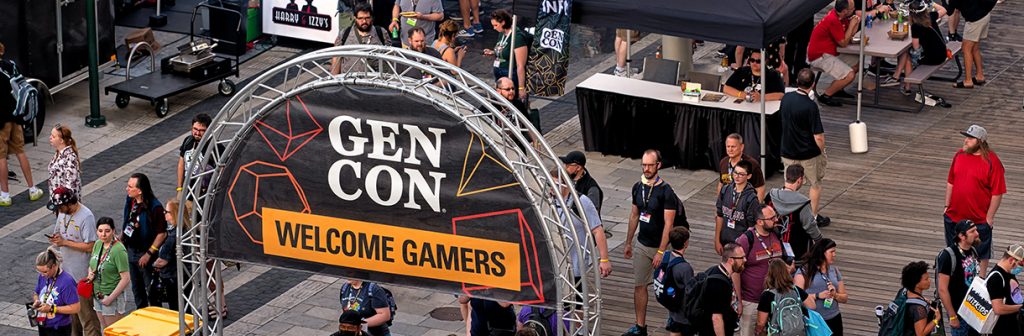
Gen Con is one of Indianapolis’ and the Tabletop Gaming and Hobby Industry’s largest events, with over 70,000 attendees annually. For Tabletop Gaming businesses, the event offers you countless opportunities to enhance your career and gain access to resources to drive future business growth— and BEST Human Capital & Advisory Group will be there in person to meet with you! As a Production Category member of GAMA, with a presence on several committees, BEST has a specialization in the Tabletop Gaming and Hobby industry through Executive Search, Strategic Human Resource Solutions, and Succession & Exit Planning services. We are BEST positioned to help your business obtain and retain talent, achieve your strategic business plans, and propel your future growth. Do you currently have the right people in the right places in your business, positioned to retain and grow today and tomorrow? The tight labor market, especially in the Tabletop Gaming and Hobby industry, means we need to change our thinking about how and from where we recruit. BEST’s Executive Search service is trusted by leading global companies to provide world-class candidate selection techniques, assessment, job benchmarking, behavior-based interviewing, and employee retention strategies. Are you concerned about or even aware of your risk exposure from labor and employment law violations? The small-to-mid-sized companies that dominate the Tabletop Gaming and Hobby industry are more prone to violating labor and employment laws due to the stress of tight budgets, small staff, and a lack of knowledge. It’s easy to bend the rules a bit, but it’s often to the detriment of employees and your business. Led by Michael Maggiotto Jr., SHRM-SCP, BEST’s Strategic Human Resource Solutions service can help you develop the right policies, employee handbook, and strategies for workforce planning, recruitment, retention, total rewards, and more. Whether you are a serial entrepreneur ready to sell your current business to launch your next venture, a first-time business owner ready to cash out, or at the later stages of your career and eying a potential retirement, Tabletop Gaming and Hobby industry business leaders need support to exit their business the right way. Led by Chris Cimaglio, CEPA and Managing Partner, BEST’s Exit Planning service may be the right solution for you. According to Chris, “An Exit Planning Institute report found that over 75% of business owners who have sold their business profoundly regret it within a year after the sale. So, leadership succession and exit planning must consider both the transactional and emotional aspects of leaving your business.” Whether your business is growing, stable, or even distressed, if you have people challenges like all businesses do, require people strategies to overcome these challenges, or are ready to learn more about Exit Planning, connect with Michael Maggiotto and the BEST Team today! Contact us today, or . at Gen Con, and may you have a fantastic convention! Download our Best Overview to learn more about the BEST Human Capital & Advisory Group and why there is a better way!
4.1 Reasons to Join Us at Cultivate’26 and Grow Your Business

In July, we’re not just celebrating America’s 250th, but also the 26th Annual Cultivate! We look forward to seeing you July 11-14th at Cultivate’26 in Columbus, Ohio: the Green Industry event offering countless opportunities to grow your business and enhance your career. We will be there with FOUR in-person educational sessions on extremely timely industry topics such as talent acquisition, human resources, building value in your business, succession and exit planning, and more that you will not want to miss. Get educated and up to speed in these sessions. SUNDAY, JULY 12th Beyond Sweat Equity: Compounding Growth in Your Business 9:45 AM ET • Room A110 Speakers: Chris Cimaglio & Ken Lane Your business is likely your family’s greatest asset and wealth builder. With 75% of owners planning to exit within the next 10 years and buyers becoming increasingly selective, only 20-30% of businesses will successfully transfer ownership. Will there be a return on all of your years of blood, sweat, and tears? Now is the time for you to work ON your business, not just IN it. This session reveals the critical drivers for compounded growth and how to prioritize them in your business. You’ll discover proven strategies to enhance value today while preparing for tomorrow’s opportunities. You’ll take away leading practices and strategies for consistent growth, as well as the 8 drivers of company value most important to potential buyers. These value-building techniques strengthen your business now and position it to successfully transition, ensuring you capture maximum value when the time comes. MONDAY, JULY 13th Costly People Risks Most Business Leaders Miss: And Could Shutter Your Business 9:00 AM ET • Union Station Ballroom C Speaker: Michael Maggiotto, Jr. SHRM-SCP Business leaders in horticulture are amazing at growing and caring for their crops, possess exceptional product knowledge, and generally do a terrific job leading operations. Unfortunately, there are many people risks to their business, regardless of size, that leaders are just unaware of or don’t know the impact they have on their business. Many of them can shutter your business if left unresolved and uncovered in a government audit. This session will reveal: Some of the very significant and costly errors that happen right in our own industry The do’s and don’ts in key areas of human capital management that can lead to some of the highest costs Some of the hefty price tags are associated with the errors. What can you do to protect your business from these costly errors? Come to the session and find out! Rooted In Health & Wellness (Panel Discussion) 4:00 PM ET • Room A113 Moderated by Todd Downing with Panelists Broch Martindale and Jake Scott Employee health and wellness at work requires more than fitness perks and free snacks. From emotional resilience to financial security, learn how the various aspects of wellness shape how employees show up at work and how their well-being connects to the bottom line. It takes companies and employees working in unison to promote an overall mental and physical health atmosphere. Wellness is a retention, professional development, and growth strategy for a company. When the right programs and coping skills are put into action, it will lead to comforting magic words we all want to hear and say – “I love my job!” TUESDAY, JULY 14th Before the Storm: Common Sense Business Continuity Planning for Horticulture Business Owners [Extended Session] 10:30 AM ET • Room A113 Speakers: Chris Cimaglio & Ken Lane Disaster planning for weather events and infrastructure failure is just common sense. What many business continuity plans lack is practical recommendations for when the owner isn’t available to lead. An owner’s death or disability can lead to business failure, with repercussions for family, employees, and customers. If something happened tomorrow, would your team know how to keep operations running? Would your family know who to call and what decisions to make? This high-impact, extended session offers a framework for “keeping the lights on during a storm.” You’ll learn why smart continuity planning is essential not just for natural disasters, but for the 5Ds: Death, Disability, Divorce, Disagreement, and Distress that can derail your life’s work. You’ll walk away with: A ready-to-use Business Continuity Instructions Worksheet Strategies for both short-term crisis response and long-term business stability Immediate steps to safeguard your business and employees and protect your family’s future. A “plus” reason to attend— Connect with The BEST Team in person at Cultivate’26! Their focus will be on making themselves available to meet with leaders who want to discuss their company’s executive hiring, succession planning, and restructuring and turnaround needs. With decades of experience in corporate management, sales, marketing, human resources, exit planning, and business advisory, BEST specializes in talent acquisition and management consulting for the horticulture industry. If you represent a company that needs executive hiring, restructuring, or succession planning, please schedule a meeting with us anytime during the show. Contact us today, and may you have a great Cultivate’26! View or Download Our Best Overview to learn more about the BEST Human Capital & Advisory Group and why there is a better way! We look forward to seeing you in Columbus at Cultivate’26!
Thanks For Joining Us at GAMA Expo 2026 to Level Up Your Game!

Are you ready to LEVEL UP YOUR GAME? BEST Human Capital & Advisory Group was at at the GAMA Expo March 1-6, 2026, in Louisville, KY. During the tradeshow (open to GAMA Tabletop Games Association members only), Chris Cimaglio, Managing Partner, and Michael Maggiotto Jr., Director of Human Resource Solutions, presented 5 educational sessions designed to help Tabletop Games business leaders across all membership categories improve their businesses. Do you have the right people in the right places in your business? Are you concerned with building and keeping your bench for today and tomorrow? Has the current business environment left you struggling to build value and leverage it to grow your business? Do you know just how costly people risks are to your business? Are you concerned about exiting your business to either launch another venture or transition into retirement? Today’s business environment has been especially challenging for the Tabletop Games industry sector. Identifying ways to build value in your business, preparing for succession or exit, retaining your hard-earned revenue, and attracting and retaining top talent are just a few of the topics covered during BEST’s presentations: Value Acceleration: Maximizing Your Business Value Sunday, March 1, 2026 Speaker: Chris Cimaglio, CEPA®, Cert. Value Builder™, AVG, Managing Partner & Co-Founder With most businesses unprepared for succession, only 20% will successfully transfer ownership. We learned how to build value, reduce dependency on owners, and apply key strategies buyers prioritize. Whether you’re planning to exit soon or in the future, this session helps you prepare for a strong, scalable future. Costly People Risks that Most Business Leaders Miss Monday, March 2, 2026 Speaker: Michael Maggiotto Jr, SHRM-SCP, Director of Human Resource Solutions Running a tabletop business comes with hidden people risks – from hiring missteps to compliance issues – that can lead to costly consequences. This session highlighted common industry errors, shared real-world examples, and offered practical guidance to help protect your business and avoid legal or financial pitfalls. Overcoming Compliance Risks to Source and Hire Top Talent Monday, March 2, 2026 Speaker: Michael Maggiotto Jr, SHRM-SCP, Director of Human Resource Solutions Finding the right talent at the right time is tough in a tight labor Market. This session explored how building a diverse workforce can unlock new potential. Learn fresh strategies, discover useful hiring resources, and rethink your approach to recruiting to attract high-quality candidates and build a stronger team. Attract, Retain, and Motivate Top Talent through Compensation Design March 2, 2026 Speaker: Michael Maggiotto Jr, SHRM-SCP, Director of Human Resource Solutions Compensation is evolving fast, and understanding how to design effective pay structures is key to attracting and retaining top talent. This session offered a high-level look at compensation strategy, creative options beyond salary, and practical tips for staying competitive – without overspending. Learn how to hire smart on a lean budget. Succession & Exit Planning: What is Your End Game? March 2, 2026 Speaker: Chris Cimaglio, CEPA®, Cert. Value Builder™, AVG, Managing Partner & Co-Founder Most business owners lack a clear exit plan – yet succession planning is critical. This session explored how to prepare personally, financially, and operationally for a successful transition. Learn valuation basics, continuity strategies, and how to protect your legacy while maximizing value, whether selling or passing the business on. As a Production Category member of GAMA, with a presence on several committees, BEST Human Capital & Advisory Group specializes in the Tabletop Gaming industry through Strategic Human Resources Consulting, Business Advisory, and Executive Search services. We are BEST positioned to help your business attract and retain talent, execute your strategic plans, and drive future growth. While many business leaders are growing their businesses, more are ready to retire but may not have a succession or exit plan in place to care for their people and ensure a smooth transition. Led by Chris Cimaglio, CEPA® and Managing Partner, BEST PivotPoint’s Succession & Exit Planning service may be the right solution for you. According to Chris, “an Exit Planning Institute report found that over 75% of business owners who have sold their business profoundly regret it within a year after the sale. So, leadership succession and exit planning need to consider both the transactional and emotional aspects of leaving your business.” Whether your business is growing, stable, or even distressed, if you have people challenges like all businesses do, you require people strategies to overcome these challenges, or are ready to learn more about Exit Planning, connect with BEST in 2026! If you represent a company that needs executive hiring, restructuring, or succession planning, please schedule a meeting with us. Contact us today, or Download our Best Overview to learn more about the BEST Human Capital & Advisory Group and why there is a better way!
Conducting an Effective Virtual Interview

Tips you can use when interviewing candidates remotely. As today’s workforce moves from traditional offices to remote work, many businesses are adopting a new way of conducting interviews, and in some cases, even onboarding. While this trend is due in large part to the COVID-19 crisis, there are many positives to moving more of your interview process into a virtual format. Virtual interviews are a great way to work around scheduling conflicts or limit face to face interaction due to social distancing. Did you also know: Five minutes of live video interviewing is considered equal to a 200-question written assessment. Data is suggesting that video interviewing is six times faster and more productive than a phone interview. 93% of communication is non-verbal. 57% of candidates prefer live video interviews. (SOURCE: LinkedIn) We have compiled a few useful tips to help you navigate the process of conducting a virtual interview. 1. Test Your Tech Get familiar with the software you will be utilizing. Test your speaker, microphone, and video. Make sure to close out of other applications to enhance the speed of your operating systems. Conduct a run through with a peer to learn the program capabilities and gain feedback. If you do encounter issues where a glitch occurs and you can’t hear the response, be direct and honest. There could be a connection issue, so wait for the audio to resume and ask them to repeat what they said. It is essential to be upfront and obtain the answers necessary to make a thoughtful employment decision. 2. Create a Neutral Space For a professional atmosphere during the interview, it is vital to find a quiet place, free from distractions. Make sure you choose somewhere that people will not be wandering around in the background. Turn off or mute your phone and silence all notifications to give your full attention. An appropriate background should be neutral but not dull. You can still show some personality outside of a plain white wall by showcasing plants, bookshelves, or diplomas and awards behind you. Depending on the software, you can also choose or create a virtual background that is not distracting. 3. Lighting and Angles For a clear video, it is best to utilize natural lighting— facing you as much as possible. If the natural lighting is not possible, considering adding a lamp to your desk or a ring light to the top of your laptop. A well-lit subject exudes trust and friendliness. Have your computer placed above eye level and tilted slightly down. A quick fix is to use books to elevate your surface. This placement prevents the camera from being directed at your neck and nose and appears more natural like it would in a face to face conversation. As in a regular interview, sit up straight and make eye contact with the camera. Body language still matters to emanate a professional demeanor. 4. Keep Your Candidate Informed Notify your candidate ahead of time that the interview will be virtual. Send a calendar invite with a link to the software you will be using and instructions so they can practice ahead of time and test their tech. In the email, be sure to include who will be involved with the interview, their title, and the role they play so they can research ahead of time to prepare. This will allow candidates to become comfortable with the platform and ensure a smooth interview for both parties. 5. Showcase Your Culture During a virtual interview, candidates are not always able to view the office space and coworkers that they could be working with in the future. Consequently, it may be more difficult for a candidate to get a feel for the company culture. To showcase this, spend more time preparing a presentation to express the company’s mission and vision. You can also send the candidate employee testimonials and links to social media posts that capture the essence and spirit of your company. There are software and video options available for you to provide virtual tours of office and production facilities. This investment usually offers a healthy ROI and help you complete a hiring initiative from start to finish in a virtual format. 6. Remain Positive Virtual interviewing can be a first-time experience for you as well as the candidate, and there may be a few fumbles with the transition from in-person interviews to virtual. You are both working through this together and making the best out of the situation. Remain positive and express appreciation to the candidate. After this experience, you may find you enjoy virtual interviews more than other forms. Whether you use Teams, Zoom, Google Meet, FaceTime, or one of the many other video platforms, find the one that works best for your company and allows you to assess body language and professionalism. Virtual interviews also allow for more flexibility in scheduling across locations and time zones, which can help attract more qualified candidates from a broader region. Along with making the right employment decision in this new era of social distancing and stay in place, virtual meetings also have the benefit of lowering travel and venue costs, all of which are beneficial for your bottom line.
Your People and Planning for the Reset

There is an old African proverb called The Fable of the Lion and the Gazelle. To survive every day, the lion must catch the slowest gazelle. For the gazelle to survive, it must outrun the fastest lion. The message for both, “When the sun comes up, you’d better be running.” Regardless of industry and how positively or negatively positioned a company has been through the COVID-19 crisis, we face a new post-pandemic business normal to varying degrees. We defer to healthcare experts and government leaders as to timing, but as a business leader, you should be planning now for a successful restart of your company when the sun finally comes up. According to a recent article from McKinsey & Company, there are “five horizons” or 5 R’s that leaders and companies need to think about and act upon during this time and beyond: Resolve, Resilience, Return, Reimagination, and Reform. We are going through the Resolve and Resilience stages now (cutting costs, monitoring cash flow, retaining or transitioning employees, preparing to return, and planning to normalize operations). All of us have been inundated with content regarding the current situation. However, what about this new post-pandemic period applies to your people? As business leaders, our task is now to manage an efficient restart, a comeback in stages, and begin running toward a better future. The way to make that happen is to focus on your workforce through planning, communications, and deciding whom to bring back and when since it is your people who will determine the outcome. Planning for the Return In a recent survey by Fishbowl, 80% of workers across the country do not feel safe going back to work if their state were to reopen immediately. While the data varies by area, these are startling numbers that point out that there are still many unknowns relating to widespread testing and a vaccine. Regardless of the size of your company, you could also face litigation if any employment laws are broken. What is an employer to do? Returning after such an abrupt forced shutdown will be challenging, especially with a fearful and reluctant workforce. To overcome these hurdles, three areas of planning will be crucial: business and operational considerations, communications and timeline, and then a plan to return to the workplace. BUSINESS & OPERATIONAL CONSIDERATIONS Refer to plans that you may already have in place, such as your original business plan or strategic planning you may have engaged in before the pandemic to serve as a guide. Working with an HR consultant may help in developing Disaster Recovery and Infectious Disease Control Plans, as well as a plan for normalizing operations. Review your financials, develop a 13-week cash flow forecast, and determine your priorities by function and location. You may have previously had an annual 1-3-5 year plan for your business. Now, focus on a 30-60-90 day plan. If your HR Team has been working remotely, they will need to be one of the first back to the office to assist in staging the return of your workforce and ensuring compliance. COMMUNICATION & TIMELINE PLANNING Perhaps noted author, John Maxwell, put it best during a recent webinar addressing leadership during COVID-19: “The best thing we can do right now is not to do business, but just do relationships.” As a leader, continue to stay in touch with your people and keep them focused during this trying time. Communicating the return should be positive, but also respectful. In this phase, determine a timeline for bringing back teams in order of priority. Build a communication plan for employees returning onsite denoting the reasons why, work schedules, expectations, safety measures, and explore options for continued remote work if possible. While portions of your workforce may already be remote, or able to WFH, it will also be essential to address furloughed and laid-off employees. Each is a different category that requires a separate communication plan. Furloughed employees will be more accessible, as they never left your system. Laid-off employees you choose to bring back will have to be rehired, onboarded, and put back into your system. This period is also an excellent opportunity to top-grade your talent (more to follow). RETURN TO THE WORKPLACE & DAILY OPERATIONS Do you have the staffing to handle the process and administrative functions in your operation? This phase is where you can get detailed in terms of how your people will enter and exit the facility, temperature or other testing procedures (many mobile temperature check methods are available), having suitable PPE on hand, signs for social distancing, personal hygiene, and practices for overall facility cleanliness and sanitation. All are to reduce fear and meet new OSHA, CDC, and state requirements. Prior training and instruction on these new procedures will be crucial as your employees return. Reimagining the Future: Topgrading Your People The COVID-19 crisis will reveal problem areas in your business, but also opportunities to improve. Perhaps the most critical ingredient to a company’s success in this new era will be the people we surround ourselves with as we embark on this journey. Consequently, we have been provided a painful yet unique opportunity to improve the quality of talent driving our business forward. The wife of one of our BEST Stakeholders manages a retail store in a local mall. She had the unfortunate task of laying off her people during the shutdown, but she has kept in touch with her team and intends to bring most of them back when they reopen. However, there is one who will not be invited back due to poor performance and bad behavior. For others, she will promote and increase their hours when they reopen. She has been topgrading her people. Topgrading talent is an interviewing philosophy that seeks out the highest quality workforce by ensuring that acquisition and development focus on the most talented, well-rounded performers, as well as those with a cultural fit. Click here for a useful article on how to “Topgrade your people for post-pandemic success.” While this challenging time may appear to be an